

I Don’t Feel Like Myself — Is It Perimenopause?
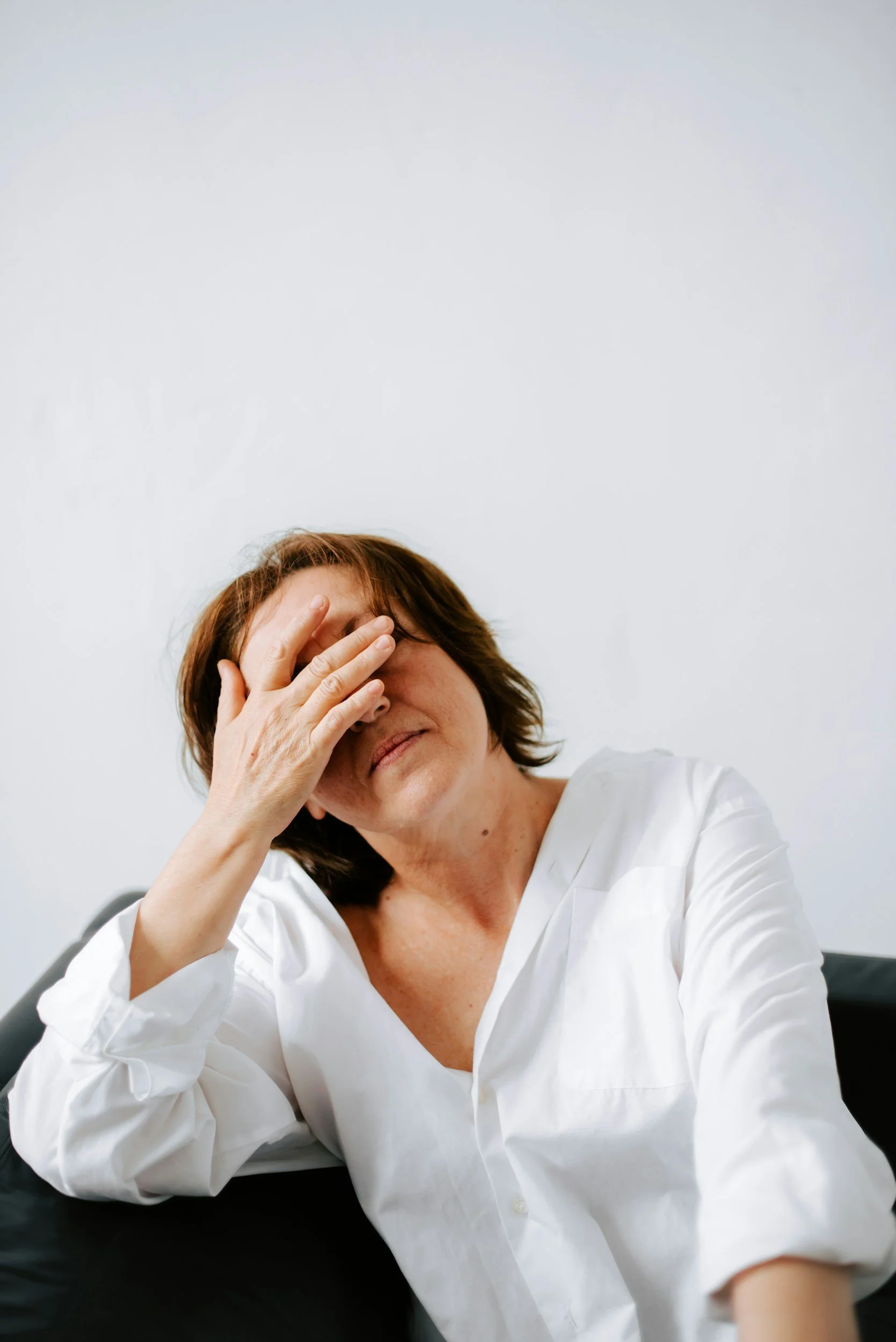
Many women come into my office and say the same thing:
“I don’t feel like myself.”
They describe increased anxiety, disrupted sleep, heavier periods, mood swings, brain fog, or a sudden loss of resilience. Often, they assume they’re just stressed or not coping as well as they used to.
Very often, this is perimenopause.
What Is Perimenopause?
Perimenopause is the hormonal transition leading up to menopause. It can begin in the mid-30s or 40s and may last 4–10 years before periods fully stop.
During this phase, hormones do not simply decline — they fluctuate. Estrogen can rise and fall unpredictably. Progesterone often declines earlier. Ovulation becomes less consistent. These changes affect not only the reproductive system, but also the brain, nervous system, metabolism, and sleep.
Common perimenopause symptoms include:
Anxiety or irritability
Low mood or decreased motivation
Insomnia or early waking
Heavier or irregular cycles
Worsening PMS or PMDD
Breast tendernes
Migraines
Joint pain
Brain fog
Heart palpitations
Many women are told their lab results are “normal.” The challenge is that hormones fluctuate daily, and a single blood test does not always reflect the bigger picture. In perimenopause, symptoms often tell us more than labs.
If you feel different in your body or mind, it is worth exploring.
Why Hormone Changes Affect Mood and Sleep
Estrogen plays an important role in regulating serotonin and dopamine — neurotransmitters that influence mood, focus, and motivation. Progesterone supports GABA, which promotes calm and sleep.
As estrogen fluctuates and progesterone declines, the nervous system can become more reactive. Add modern life stress, caregiving responsibilities, and full schedules, and many women find their capacity feels reduced.
Perimenopause is not a disease. It is a biological transition. But it deserves informed, compassionate support.
How Naturopathic Medicine Supports Perimenopause
A naturopathic approach to hormone imbalance looks at the whole picture: nutrition, stress physiology, sleep, inflammation, and nervous system regulation.
Support may include:
Nutrition
Stabilizing blood sugar to reduce mood swings and fatigue
Adequate protein to support neurotransmitter production
Anti-inflammatory nutrition for joint pain and brain clarity
Targeted nutrients such as magnesium, B vitamins, iron, or omega-3s (when indicated)
Lifestyle & Nervous System Care
Restoring sleep rhythms
Stress response regulation
Movement that supports hormones rather than depletes them
Building sustainable recovery practices
Menopause Hormone Therapy (MHT)
For some women, menopause hormone therapy is an appropriate and evidence-based option.
And in very exciting news, As of March 1, 2026, menopause hormone therapy is now free in British Columbia, increasing access for women who may benefit from it.
When prescribed thoughtfully and monitored appropriately, MHT can support sleep, mood, bone density, and overall quality of life. It is not necessary for everyone, but for some women it can be transformative.
The key is individualized care.
You Are Not Losing Yourself
If you don’t feel like yourself, you are not broken.
You may be in a neuro-hormonal transition that has real physiological underpinnings. With the right support, this stage can become a powerful recalibration rather than a quiet unraveling.
Dr. Julia Christensen, ND